The Power of First Impressions: Why Your Business Card Still Matters
In a digital world saturated with LinkedIn profiles and email signatures, the tangible business card remains a powerful tool for making a memorable first impression. It’s not just about contact information; it’s a physical representation of your brand's quality and professionalism. A flimsy, poorly designed card can undermine your credibility before you’ve even said a word. Conversely, a well-crafted, premium business card signals attention to detail and a commitment to excellence. This is where having the right design assets becomes crucial, moving beyond a simple template to a truly customizable foundation for your brand identity.
Anatomy of a Professional Template
A premium business card template is more than just a pretty layout. It’s a carefully constructed file designed for real-world use. The template we're discussing is built for professionals who use Adobe Photoshop and Illustrator, ensuring full creative control. Its value lies in the details: separate layers for easy editing, paragraph styles for consistent typography, and proper bleeds to guarantee your design prints perfectly without unwanted white edges. The inclusion of IDML files also provides a degree of future-proofing and compatibility. This structure allows you to focus on personalization rather than technical setup, saving significant time and reducing the risk of errors in the final print file.
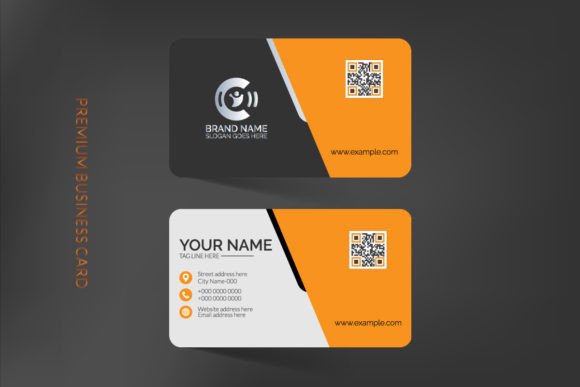
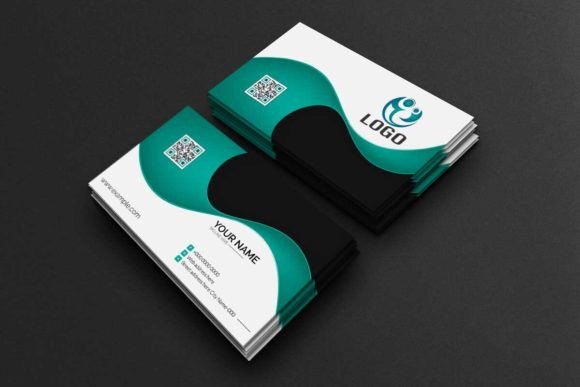
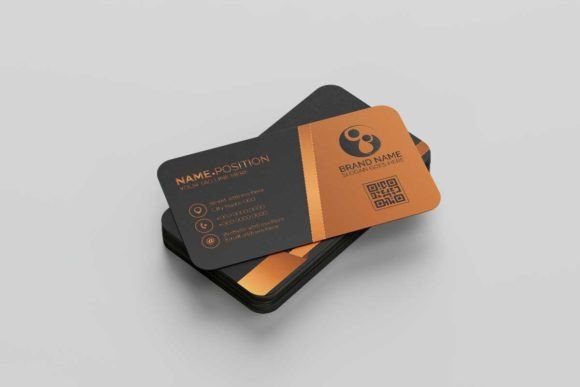
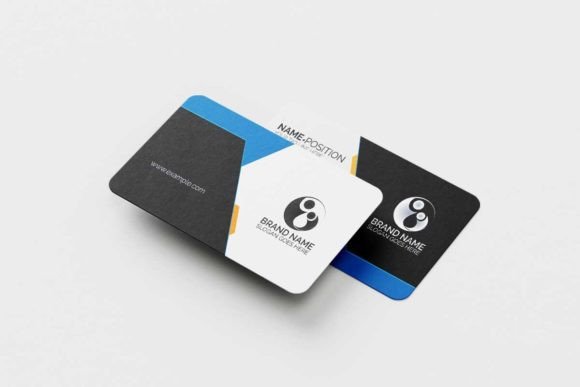
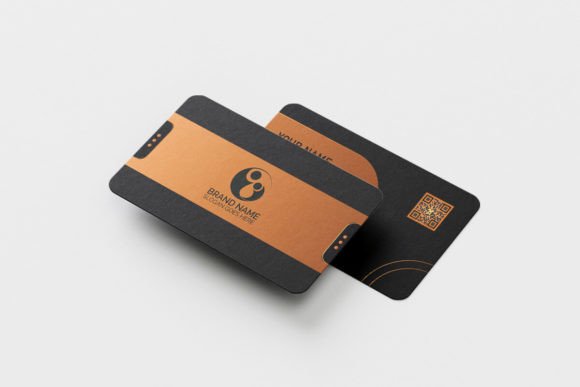
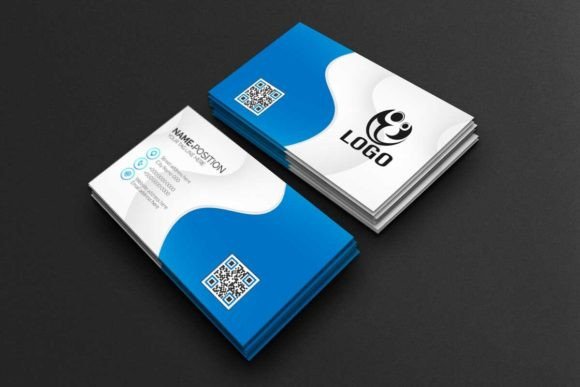
The visual character of this particular template leans into modern elegance. It likely uses a balanced composition, ample white space, and a sophisticated color palette achievable in CMYK for reliable color reproduction. The design personality is professional yet approachable, suitable for a wide range of industries from creative agencies to financial consultants. It avoids overly trendy elements that might date quickly, focusing instead on clean lines and clear hierarchy to present your name, title, and contact details with utmost clarity. The vector shapes used ensure that every element, from logos to decorative accents, remains crisp and scalable, whether printed at standard 3.5×2 inches or resized for other marketing materials.
Strategic Applications Beyond the Handshake
While its primary function is networking, a versatile business card design has far-reaching applications. The consistent brand identity established on your card can seamlessly extend across other touchpoints. Use the same typography and color scheme from your business card template for your letterheads, invoice templates, and presentation decks. This creates a cohesive brand experience that builds recognition and trust. For entrepreneurs and small business owners, this consistency is key to looking established and reliable, even when you’re just starting out.
Furthermore, the design principles embedded in a strong business card template are directly transferable to digital spaces. The careful consideration of font pairing, visual hierarchy, and whitespace is equally critical in web design, social media graphics, and email newsletters. The template serves as a masterclass in compact design, teaching you how to communicate essential information efficiently and attractively. This skill is invaluable when creating Instagram posts, Facebook ads, or even designing packaging for a product. The template isn’t just for print; it’s a foundational design asset that informs your entire visual language.
Choosing and Customizing with Purpose
Selecting a business card template should be a deliberate process. Look beyond the initial aesthetic and evaluate its practical features. Does it include the necessary bleeds and safe zones? Are the layers well-organized and clearly labeled? Is the font used one that’s free for commercial use, or will you need to substitute it? This template’s inclusion of links to free fonts is a significant advantage, removing a common hurdle in the customization process. Test the file by attempting to change the primary color scheme or swapping out the placeholder logo with your own. A well-structured file will make this process intuitive.
When customizing, consider your audience and industry. A creative professional might leverage the template’s flexibility to introduce a more expressive script font for their name, paired with a clean sans serif for details. A law firm might stick to a conservative serif font to convey tradition and trust. Always prioritize readability above all else. The 300dpi resolution and vector elements ensure that even with customization, the final product will look sharp and professional. Print a test copy before placing a large order. Check how the colors translate from screen to paper and ensure all text is legible. This step is non-negotiable for achieving a truly premium result.
Ultimately, a premium business card template is a strategic tool. It provides a professional starting point that you can mold to perfectly reflect your unique brand identity, ensuring that every card you hand out makes a confident and lasting statement about who you are and the quality of work you deliver.