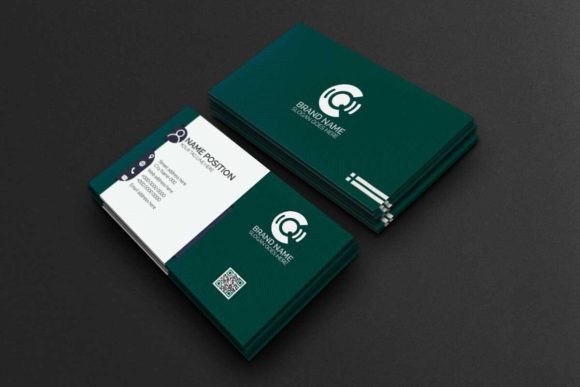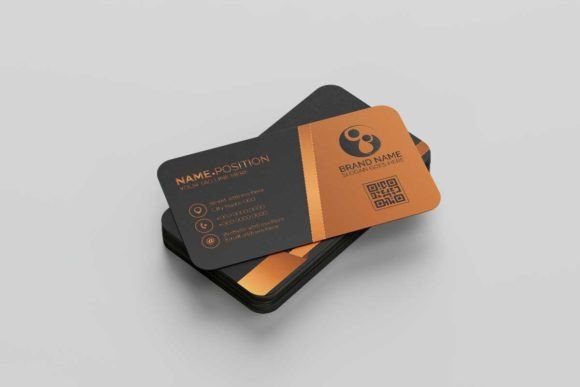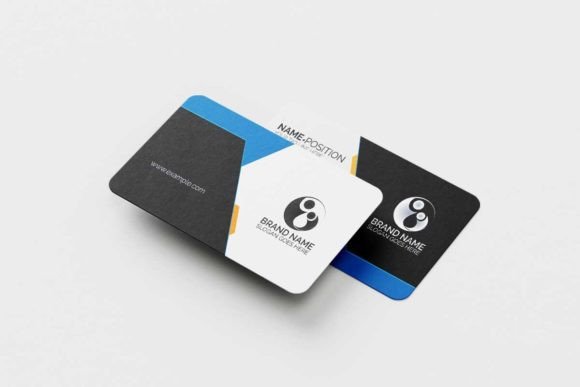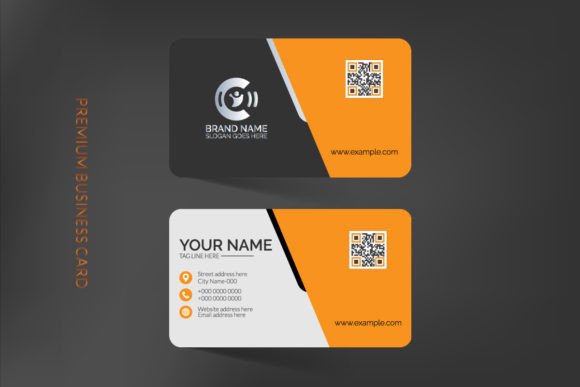
Make a Lasting Impression with This Elegant Business Card Template
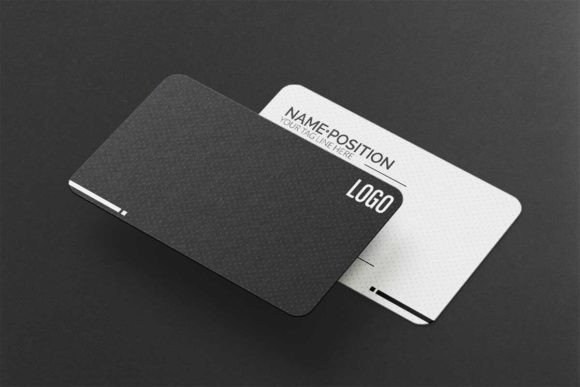
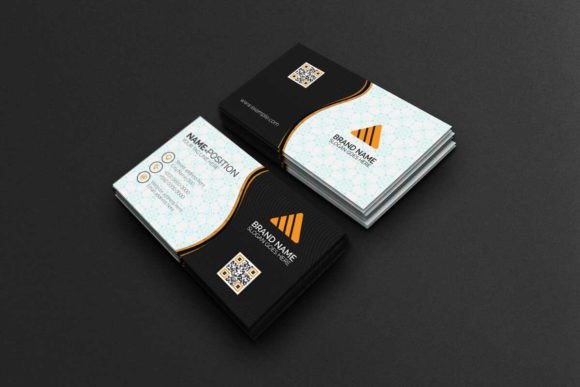
In a world saturated with digital noise, the tangible weight of a premium business card still holds immense power. It’s often the first physical artifact of your brand that a potential client or collaborator takes away from a meeting. This elegant business card template is designed precisely for that moment of exchange. It’s not just a piece of paper; it’s a carefully crafted design asset that communicates professionalism and attention to detail before a single word is read. The visual personality is clean, modern, and sophisticated, using ample white space and refined typography to let your core information breathe. This approach ensures the design feels contemporary and timeless, avoiding fleeting trends that can quickly date your brand.
Where This Template Truly Shines
The versatility of this business card template is one of its greatest strengths. Because it’s fully customizable in Adobe Photoshop and Adobe Illustrator, it serves as a foundational tool for a wide array of projects. For entrepreneurs and small business owners, it’s the starting point for building a cohesive brand identity. A designer can take this template and, by simply swapping out the logo, contact details, and color palette, create a suite of matching marketing materials. Think of it as a cornerstone for your packaging design or social media graphics; the clean lines and balanced layout provide a visual language that can be extended across your entire presence.
For freelancers in creative fields—whether you're a photographer, writer, or consultant—this template offers a professional canvas. The separate layers and included paragraph styles mean you can fine-tune every element to match your personal aesthetic. The fact that it uses free, readily available fonts is a huge practical benefit. You won't need to purchase expensive licenses to get the exact look shown in the preview, which is a common frustration with other design assets. This makes it particularly accessible for bloggers, content creators, and hobbyists who are building their brand on a budget but refuse to compromise on quality.
The Impact of a Well-Executed Card on Perception
Never underestimate the role of a business card in shaping brand perception. A flimsy, poorly designed card can subtly undermine your credibility. Conversely, a card printed on quality stock from a well-structured template does the opposite. This template’s structure—with its clear visual hierarchy—guides the recipient's eye logically from your name or logo to your key contact information. This isn't an accident; it's the result of applying sound modern typography principles. The use of vector shapes ensures that every line and curve is perfectly crisp, whether the card is held in hand or viewed as a digital proof. This attention to detail communicates that you value precision in your work.
Moreover, consistency is key to recognition. By using this template as the basis for your logo design exploration or broader editorial design projects, you create a unified visual thread. When a client sees your card, then your website, then a proposal, the consistent use of typeface, spacing, and color builds familiarity and trust. The template’s design facilitates this consistency because its elegant simplicity is easy to replicate and adapt across different mediums, from print to web design. It acts as a reliable reference point for all your visual communications.
Practical Guidance for Using This Design Asset
Getting the most out of this business card template involves a few straightforward steps. First, download the ZIP archive and familiarize yourself with the file structure. The included AI file is set up for Adobe Illustrator, which is often the preferred tool for this kind of work due to its superior handling of vector elements and text. However, the IDML files ensure compatibility with older versions and other software that supports the format.
When you open the file, take a moment to explore the layers. Good templates are organized logically—background elements, text layers, and design accents are typically separated. This makes customization efficient. Before you start changing colors or fonts, consider your own brand's color palette. The template is set up in CMYK at 300dpi, which is the standard for professional printing, so your colors will translate accurately from screen to press.
A critical step is evaluating font pairing. The template likely uses a combination of a sans serif font for clean readability and perhaps a complementary serif font or a subtle script font for accent text like your name or a tagline. If you choose to change the fonts, ensure the new pairing maintains the same balance of elegance and readability. Test the layout at the actual print size—3.5×2 inches—to make sure all text is legible. The bleed area is already included, so you can extend background colors or images to the edge without worry, ensuring a professional finish after trimming.
Finally, remember that this is a starting point. The true value lies in how you adapt it to tell your unique brand story. Use it to make that powerful, tangible connection that digital alone cannot achieve.