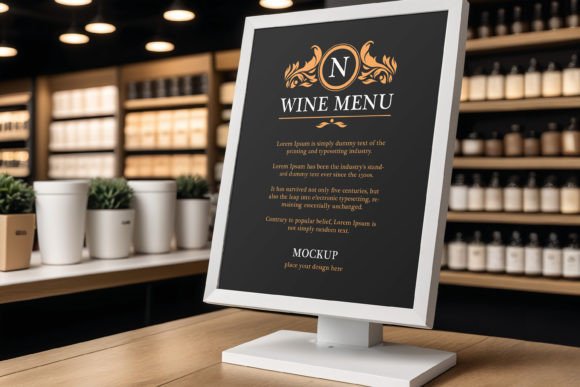
Design a Stunning Wine Menu Mockup
Crafting an Immersive Dining Experience
The first impression of a wine list often sets the tone for the entire dining experience. A well-designed Wine Menu Mockup does more than just list bottles; it invites guests into a story. Imagine a layout featuring high-resolution, colorful images of wines, elegant fonts that whisper sophistication, and a stylish design that feels both modern and timeless. This visual harmony is crucial. It’s not merely about aesthetics; it’s about creating an emotional connection before the first sip is poured. The mockup serves as a blueprint for this experience, allowing designers and restaurateurs to visualize how every element—from the texture of the paper to the clarity of the typography—works together to captivate and guide the visitor.
Establishing a Recognizable Brand Identity
Your wine menu is a powerful piece of brand collateral. It should be an extension of your restaurant or wine bar’s personality. Integrating your logo, a consistent color scheme, and an overall design style that reflects your establishment’s atmosphere is non-negotiable. For a rustic Italian trattoria, the mockup might feature warm, earthy tones, a serif font with old-world charm, and textures reminiscent of aged paper. A sleek, contemporary wine bar could opt for a minimalist sans serif font, a monochromatic palette with a single accent color, and clean lines. This consistency in design assets builds recognition and professionalism. When a guest sees your menu, they should immediately feel the ambiance of your space, reinforcing your brand identity long after they’ve left.
Clarity and Information Hierarchy
While visual appeal draws the eye, clarity of information is what helps a guest make a confident choice. A superior Wine Menu Mockup prioritizes readability. Each wine listing should provide clear, concise details: the name, grape variety, region, vintage, a brief description of its taste profile, and the price. The layout must create a clear visual hierarchy. The wine name should be the most prominent, followed by the descriptive details in a smaller, complementary font. Using columns, subtle dividers, and ample white space prevents the page from feeling cluttered. This thoughtful organization allows visitors to quickly scan, compare, and familiarize themselves with the assortment, transforming a potentially overwhelming list into an enjoyable exploration.
Strategic Design for Enhanced Service
A functional wine menu does more than inform—it assists. Including thoughtful recommendations for pairing wines with specific dishes or cuisine types adds immense value. This practical guidance helps guests navigate choices with confidence, potentially increasing their satisfaction and your average ticket size. The design should make these pairings easy to spot, perhaps through icons, a dedicated section, or integrated notes within each listing. The style and color palette should adapt seamlessly to the overall atmosphere. A design reflecting traditional French style for a bistro, or a vibrant, artistic layout for a fusion restaurant, ensures the menu feels like a natural part of the dining journey, not an afterthought.
Practical Implementation with the Mockup
This particular Wine Menu Mockup, crafted using artificial intelligence, is a robust design asset for professionals. With a high-resolution PSD file at 3500x2500 pixels, it offers the flexibility needed for both digital displays and high-quality print. Designers can easily customize every element: swap images, edit text, adjust colors, and experiment with different font pairings to match a client’s brand. For entrepreneurs and small business owners, it provides a professional template to visualize their concept before committing to final printing. The mockup is a practical tool for testing how a premium font interacts with the layout, ensuring the final product is both beautiful and legible. Its versatility makes it suitable for creating not just menus, but also table tents, promotional posters, and social media graphics, ensuring brand consistency across all touchpoints.
Key Considerations for Final Execution
When using a mockup to guide your final design, keep these practical points in mind:
- Font Choice is Critical: Select a typeface that balances personality with readability. A decorative script font might work for a title, but the body text describing vintage and region needs a clean, legible serif or sans serif.
- Test in Context: View your mockup on different screens and, if possible, print a sample. How does the color palette look under your restaurant's ambient lighting? Is the text size comfortable to read in low light?
- License and Scalability: Ensure any fonts or images used have the correct commercial license for your project. The high resolution of this mockup file ensures your designs will look sharp on everything from a digital tablet to a large printed menu.
- Iterate and Refine: Use the mockup as a starting point. Get feedback from staff and a few trusted guests. Does the layout guide the eye naturally? Is the pairing information helpful? Small tweaks can significantly enhance the overall user experience.
Ultimately, a thoughtfully designed Wine Menu Mockup is an investment in your guest's experience. It harmonizes visual elegance with practical information, elevating the perception of your offerings and making the simple act of choosing a wine a memorable part of the visit.